Why Art Has a Place in STEM Education
By • 3 July 2026
Written by Madison Johnson
Art is often overlooked as an important part of STEM education. However, it plays a valuable role in strengthening the skills students develop through science, technology, engineering, and mathematics. By incorporating art into learning, students enhance their creativity, improve problem-solving abilities, and discover new ways to express their ideas.
Art takes many forms including drawing, painting, sculpting, and weaving—and each develops different technical and creative skills. Even foundational concepts such as shading, proportion, and composition help students build an artistic perspective that can be applied to STEM-related challenges.
The Value of Art in STEM Education
Adding art to STEM transforms it into STEM, creating a more well-rounded educational experience. Artistic thinking encourages innovation by helping students approach problems from different perspectives while strengthening observation, imagination, and design skills.
Through creative expression, students learn to communicate ideas more effectively and develop the confidence to experiment with new concepts.
Art in Science
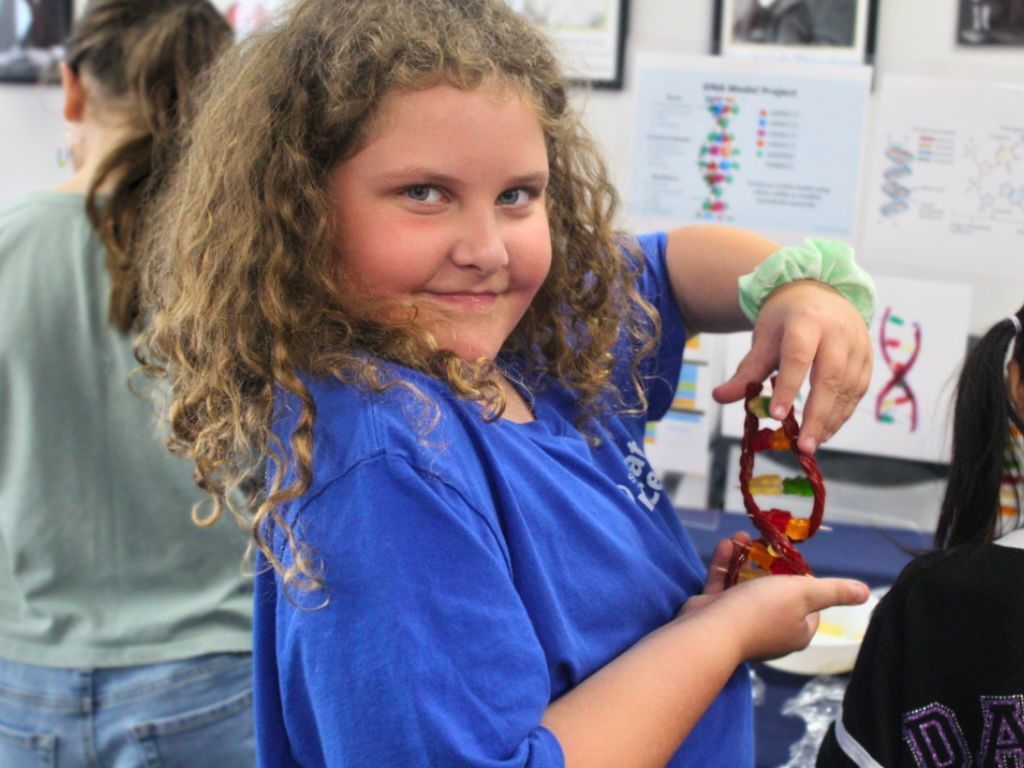
Art plays an important role in scientific discovery. Creative thinking helps scientists design experiments, visualize ideas, and develop innovative solutions to complex questions.
Observation, illustration, and visual communication all contribute to a deeper understanding of scientific concepts.
Art in Technology
Technology relies heavily on design.
From websites and mobile applications to software and digital products, artistic principles help create user-friendly experiences through:
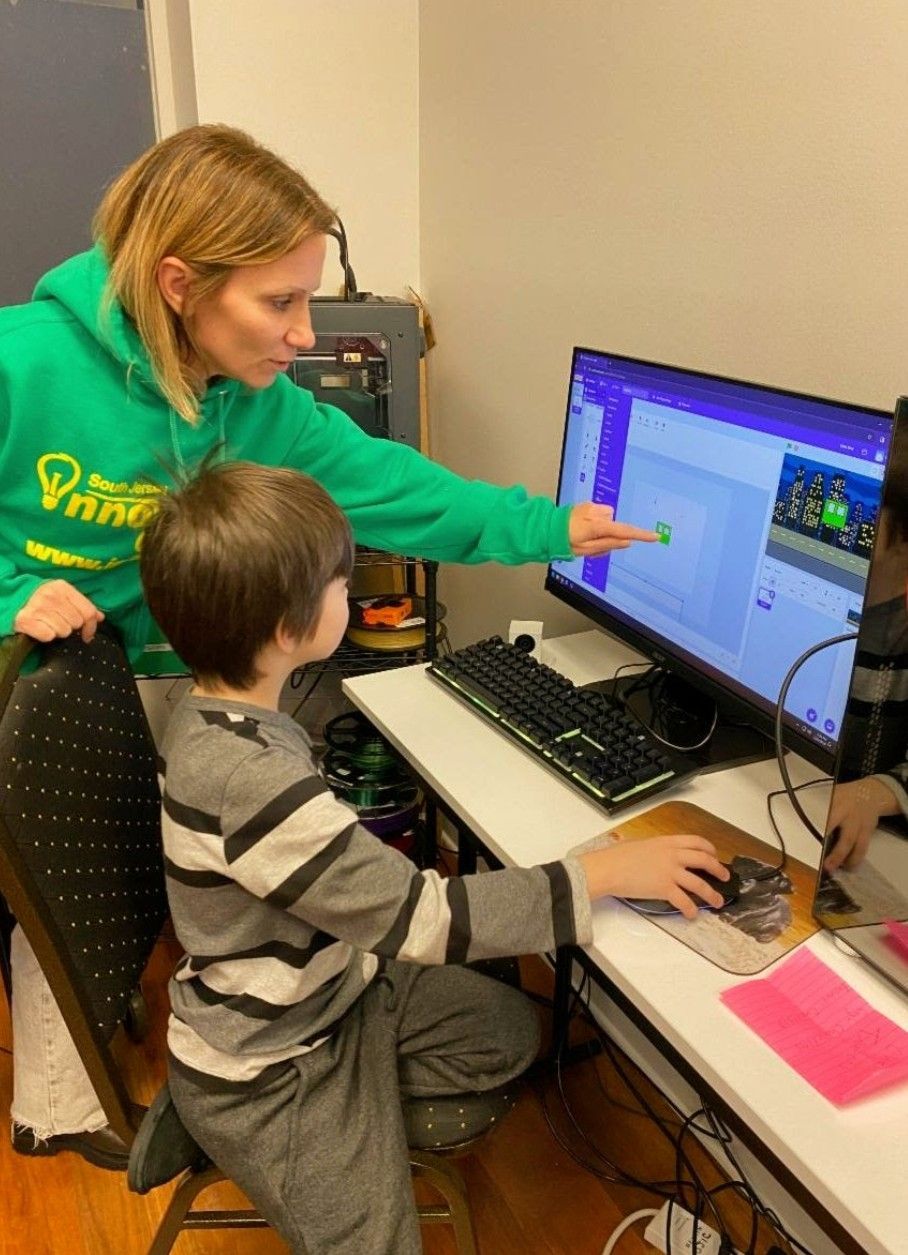
- Graphic design
- User interface (UI) design
- Visual communication
- Layout and organization
- Color and composition
Good design makes technology both functional and engaging.
Art in Engineering
Engineering combines creativity with technical knowledge.
Working with artistic mediums helps students better understand concepts such as the following:
- Structure
- Balance
- Weight distribution
- Materials
- Precision
- Attention to detail
Three-dimensional art forms like sculpting provide valuable insight into how designs are built and why structural integrity matters.
Art in Mathematics
Mathematics is filled with patterns, shapes, and visual relationships that often go unnoticed.
Visualizing equations, geometric figures, and mathematical concepts helps students better understand how formulas and theorems work while strengthening spatial reasoning and analytical thinking.
Art encourages students to see mathematics from a different perspective, making abstract concepts more meaningful and accessible.
Bringing STEM to Life
When art is combined with science, technology, engineering, and mathematics, students gain a broader understanding of how creativity and innovation work together.
By encouraging artistic exploration alongside technical learning, STEM education helps students develop critical thinking, creative problem-solving, communication, and design skills that prepare them for future academic and professional success.
At South Jersey Innovation Center, we believe creativity is an essential part of innovation, making art a valuable component of every student's educational journey.